
Lime Plasters
Lime plaster has been used worldwide throughout history. This extremely versatile material can be used in many different environments, both interior and exterior. From the sophisticated Marmorino and Venetian plasters of Italy’s palazzos to the rustic charm of rural cottages, the possibilities of this material are only limited by the imagination.
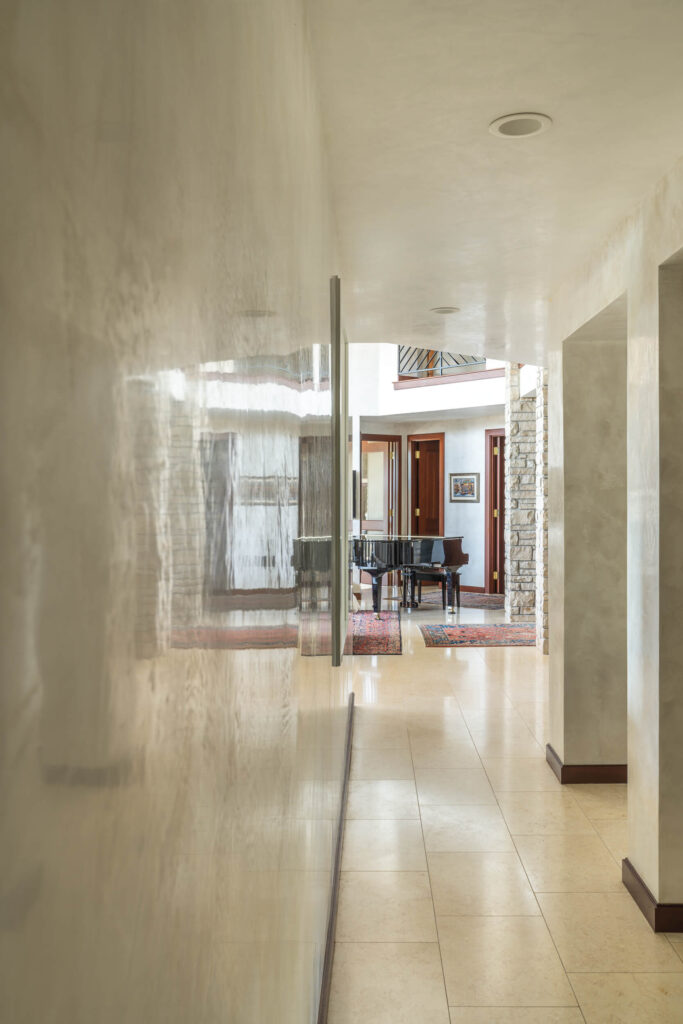
Natural collaboration. This ancient material derived from raw limestone remains naturally alkaline and breathable, creating spaces with excellent indoor air quality attuned to human health and well-being.
Time-tested wisdom. Lime-based binders are one of the oldest building materials on Earth. The earliest known examples date from around 7000 BC, and both the Greeks and Romans used lime as their primary building material.
Human artistry, invited. Many cultures have long revered lime, handing down cherished traditional techniques and recipes through generations of artisans. From highly polished elite looks and vibrantly colored frescoes to rural cottage finishes that honor the natural undulations of stone or mud walls beneath, the human hand and artisan’s eye are key to unlocking lime’s timeless aesthetic potential.
Benefits of Lime Plaster
- Breathable: Vapor permeable and hygroscopic, lime helps manage moisture passively to keep buildings and their inhabitants healthy for the long haul.
- Naturally Mold Resistant: Lime’s innate alkalinity and dynamic drying characteristics make it excellent at resisting biological activity like mold and mildew.
- Self Healing: When webs of micro fissures form over time from building movement, “free lime” binder (calcium hydroxide primarily) trapped in the plaster can migrate with ambient moisture to their surfaces and gradually heal as it absorbs atmospheric carbon dioxide
- Durable: Nearly all surviving historic structures were built using lime-based binders of multiple types. Expertly applied lime finishes can last centuries and slowly strengthen as atmospheric CO2 combines with residual calcium hydroxide over time
- Versatile: Appropriate for interiors, exteriors, ceilings, kitchens, bathrooms, shower walls, etc.. and suitable over multiple substrates including masonry, stone, brick, drywall, backerboard, and lath, lime is the Swiss Army knife of natural binders.
- Non Toxic: Lime is an all-natural mineral binder made by heating limestone to alter its chemistry. Although caustic during wet application due to high ph, it is completely non-toxic and will never offgas. Cleans up with mild vinegar and water and waste materials can be returned directly to the earth without landfilling.
- Sustainable: Lime requires modest energy to produce, activates by uptaking atmospheric CO2 as it cures, and can be returned to the earth harmlessly at the end of its life cycle.
Types of Lime Plaster
Marmorino/Venetian Plasters: Renowned for its visual depth and broad aesthetic range, this traditional combination of ground marble, natural pigments, and aged lime putty was used extensively in the famed Italian villas and palazzos of the 16th-19th centuries. Breathable, durable, and naturally resistant to mold and microbes due to its high alkalinity, this class of refined mineral plasters is excellent for building performance and indoor air quality. In the hands of our skilled artisans, Marmorino lends itself to a wide range of aesthetics, from subtle matte limestone to dramatic polished marble, offering designers a customizable palette of timeless elegance.
Tadelakt: Originating in ancient Morocco, Tadelakt is a specialized lime plaster meticulously compressed with a polishing stone and olive oil soap during cure to yield beautifully smooth, hard-working surfaces. Historically used for everything from water storage cisterns to ornate hammam baths, Tadelakt remains vapor permeable while providing a seamless hydrophobic surface suitable for showers and other demanding wet areas where tile is typical.
Lime washes: Thin coats of this solution of high-calcium lime and pure water are built up to create gorgeous matte finishes for interior and exterior surfaces that protect durability and enhance performance. Most historic masonry structures the world over traditionally received regular ”refresher” coats of limewash on their exteriors, and its antimicrobial/antifungal characteristics have earned it a special place in hygienic spaces like hospitals, water cisterns, nurseries, and the like. By adding natural pigments and tweaking traditional techniques, a broad spectrum of colors and effects can be achieved, from classic distressed white patina on brick to the vibrant pastel colors of the Caribbean. Limewash is a highly versatile finish that brings timeless character to modern spaces.
Custom Finishes: The possibilities for custom finishes are limitless. Various additives, including mica powder, metallic powder, straw, and many more, can be used to achieve stunning and distinctive finishes.